

Espresso coffee is an iconic beverage that has gained popularity worldwide. It is characterized by its intense flavor and rapid preparation under high pressure. This article explores the history, brewing process, and different types of espresso. It will also discuss the necessary tools and the culture surrounding this beverage in various regions.
History of Espresso Coffee
The history of espresso coffee is fascinating, marked by innovation and cultural development. Its origins and evolution reflect not only technological advances but also the social and cultural influence this beverage has had over the years.
Origin in France
Espresso coffee has its roots in France, where the first machines for preparing this beverage were created. In 1822, Louis Bernard Rabaut designed the first machine that used pressure to extract coffee flavor. This invention revolutionized the way coffee was prepared, eliminating traditional drip methods that were slower and less efficient.
Over time, various inventors began to perfect these machines, leading to significant improvements in the quality and speed of coffee preparation. As technology advanced, espresso preparation began to gain popularity in other parts of Europe.
Evolution in Italy
Espresso coffee truly took off in Italy, where it became a symbol of coffee culture. In the late 19th and early 20th centuries, several Italian inventors made significant improvements to espresso machines, laying the groundwork for their widespread use.
First machines
In 1901, Luigi Bezzera patented a machine that could automatically prepare espresso. This design was revolutionary and laid the groundwork for the creation of modern espresso machines. His patent was acquired by Desiderio Pavoni, who founded the La Pavoni brand, marking the beginning of industrial espresso production in Italy.
With the rise of these machines, espresso quickly became a popular beverage, especially in cities like Turin and Milan. This growth was linked to the coffee culture that was becoming established in the cafés of the time.
Global expansion
As espresso gained popularity in Italy, its popularity began to spread to other parts of the world. Espresso coffee arrived in the United States in the mid-20th century, where it was adapted to local tastes, giving rise to various versions such as the cappuccino and the latte.
Coffee chains began to proliferate, bringing espresso to a wider audience and fostering interest in quality coffee. Espresso wasn't simply a beverage; it became an experience that many began to seek out in their social gatherings.
Adaptation in different cultures
Espresso has crossed borders and adapted to diverse cultures, incorporating varieties that reflect local traditions. In Italy, it's common to enjoy espresso quickly, in a small cup while standing at a bar. In contrast, in the United Kingdom, cafés began to become social spaces where espresso was enjoyed in a more relaxed atmosphere.
In the United States, espresso culture was transformed with the arrival of "third wave" coffee, where even greater value is placed on the quality of the bean and the preparation process. This approach has led to a variety of ways to enjoy espresso, from more complex beverages to pure espresso.
Today, espresso is a fundamental element of global coffee culture, affecting the way many people enjoy coffee and how they integrate it into their daily lives.
What is Espresso Coffee?
Espresso coffee is a concentrated beverage obtained through a process of extracting ground coffee using high pressure. It produces a distinctive, refined, and appealing flavor that has won over palates around the world.
Key Features
Espresso coffee has several characteristics that differentiate it from other coffee preparations. These include:
- Intense Flavor: Its flavor profile is more concentrated and robust than filtered or drip coffee. Each sip results in a rich and profound experience.
- Creamy and Foamy: The preparation technique creates a cream on the surface, which is an emulsion of oils and gases, adding texture and a touch of natural sweetness.
- Served in Small Portions: It is usually presented in quantities of 30 to 60 milliliters, allowing you to enjoy its flavor in small doses.
- Quick to Prepare: The high-pressure technique allows it to be prepared in a short time, generally between 25 and 30 seconds.
Differences with other methods
The way espresso is prepared distinguishes it from other brewing methods. The main differences include:
- Extraction Pressure: Unlike filter coffee, which uses gravity, espresso is extracted through pressure, achieving faster and more effective extraction of flavors.
- Grind Size: The coffee used for espresso is ground finer, similar to table salt, unlike other methods that require a coarser grind.
- Extraction Time: Espresso extraction is significantly faster than methods like drip or French press, which contributes to its intensity and characteristic body.
- Machine Type: Espresso making requires a specialized machine that can generate the proper pressure, compared to conventional coffee makers that don't have this type of mechanism.
The Espresso Machine
The espresso machine is essential for preparing this iconic beverage. There are several types, each with unique characteristics that influence the quality and flavor of the espresso.
Types of machines
Espresso machines are divided into several categories based on their operation and features. The main types are listed below:
Manuals
Manual machines require more user input. The brewing process depends on the skill and technique of the person using them. They are ideal for those who enjoy customizing their coffee and are experienced in brewing it. Some benefits include:
- Greater control over the extraction process.
- They allow you to experiment with different techniques and settings.
- They are generally cheaper than automatic machines.
Automatic
Automatic espresso machines simplify the espresso-making process. These machines automatically regulate the water flow and pressure during extraction. They are perfect for those who want quality coffee with less effort. Their features include:
- Programming specific espresso cups.
- Consistency in each extraction.
- Less manual intervention, making it easier to use on a daily basis.
Superautomatic
Super-automatic machines take convenience to the next level. With a single button, they prepare espresso, grind coffee, and froth milk if desired. Here are some of their advantages:
- All in one: grinds, extracts and froths automatically.
- Easy cleaning and maintenance.
- Ideal for those looking for a hassle-free experience.
Main components
Espresso machines are made up of several components that work together to produce a quality espresso. Some of the most notable components are:
- Water heater: Essential for heating water to the proper temperature for extraction.
- Extraction group: Area where water is mixed with ground coffee. This component is critical for obtaining the proper flavor.
- Pump: Generates the necessary pressure to force water through the coffee, achieving optimal extraction.
- Portafilter: Where the ground coffee is placed. A good portafilter ensures even pressure during extraction.
Care and maintenance
Care and maintenance of your espresso machine is essential to ensure its longevity and optimal performance. Some recommendations include:
- Regular cleaning: Cleaning the brewing group and portafilter after each use helps prevent residue buildup.
- Descaling: Performing a descaling process periodically prevents blockages in the water system.
- Water Quality Control: Using filtered water ensures that there are no impurities that affect the flavor of the espresso and the lifespan of the machine.
Espresso Coffee Preparation Process
The espresso preparation process is essential to achieving a quality cup. Each step is crucial and requires attention to detail to bring out the best in the coffee beans. The essential steps in espresso making are described below.
Grinding coffee beans
Grinding is the first step in preparing espresso. Properly ground coffee is crucial, as it directly affects flavor extraction. A uniform grind ensures that water passes properly through the ground coffee.
- The coffee should be ground to a fine grind, similar to table salt. This texture allows for optimal extraction during the process.
- It is recommended to grind the beans just before brewing to preserve the freshness and essential oils of the coffee, which influence the final flavor.
- It is important to avoid excessive coffee powder, as it can clog the water flow and result in uneven extraction.
Compaction of ground coffee
Once ground, the coffee is placed in the portafilter and tamped. This step is vital, as proper tamping ensures an even flow of water, resulting in a balanced extraction.
- Compaction should be firm but not excessive. Using a tamper (compaction tool) helps achieve the proper pressure.
- When tamping, it is essential to ensure that the coffee is evenly distributed in the portafilter to avoid areas of over- or under-extraction.
- Improper tamping can lead to a bad-tasting espresso, as it limits the contact of the water with the coffee.
High pressure extraction
Extraction is where the magic of espresso happens. This process involves forcing hot water through ground coffee at high pressure, extracting all its flavors and aromas. Proper regulation of water pressure and temperature are key in this phase.
- Extraction time should be approximately 25 to 30 seconds. A shorter time may result in under-extracted espresso, while a longer time may lead to over-extracted, bitter, and dry espresso.
- Espresso machines generate around 9 bars of pressure, which is the standard for proper extraction.
- Temperature control is also key; it should be between 90°C and 96°C to achieve the best results without burning the coffee.
Serving the espresso
Once the extraction is complete, the espresso should be served immediately. Timely delivery ensures the coffee maintains its crema and aromas. Proper service also enhances the coffee experience.
- Espresso is served in small cups of 30 to 60 milliliters, which are ideal for appreciating its intense characteristics.
- It is advisable to preheat the cups, as this helps maintain the temperature of the espresso when serving.
- Espresso should be enjoyed immediately to prevent it from losing its nuances of flavor and aroma.
Key Factors for a Quality Espresso
Making a quality espresso is no easy task. Several factors influence the final result of this beverage, each of which plays a vital role in the consumer's final experience.
Coffee bean quality
The quality of the coffee beans is essential for obtaining an excellent espresso. It's advisable to choose specialty coffee beans from recognized farms. These beans are carefully selected to ensure freshness and flavor. Some important aspects to consider are:
- Coffee Origin: Beans from different regions have unique flavor profiles, from fruity notes to earthier flavors.
- Growing Process: Grains grown at suitable altitudes tend to have a more complex flavor.
- Bean Condition: Beans must be freshly roasted and stored properly to preserve their freshness.
Correct grinding
Coffee grinding is a crucial aspect that influences flavor extraction. Proper grinding ensures that oils and aromatic compounds are efficiently released during the process. A fine grind is preferable, as it allows for better extraction when applying the proper pressure in the espresso machine. Some important points are:
- Consistency: The grind must be homogeneous to avoid under- or over-extracted parts.
- Grinding time: Grinding just before brewing maximizes the freshness of the espresso.
- Bean-by-Bean Adjustments: Different coffee varieties may require adjustments to the grind coarseness.
Water pressure and temperature
The pressure used during extraction and the water temperature are essential for obtaining a quality espresso. These elements directly affect the solubility of the coffee compounds.
Use of filtered water
The water used should be of good quality, preferably filtered, as tap water can contain impurities that alter the flavor. Water with excessive mineral content should also be avoided, as this can affect the coffee extraction. A good option is to use mineral or purified water for preparation.
Adequate temperature
The water temperature should be between 90 and 96 degrees Celsius for optimal extraction. If the water is too hot, you risk over-extracting the coffee, resulting in a bitter taste. On the other hand, if the temperature is too low, the extraction will be insufficient, resulting in watery, characterless coffee.
Types of Espresso Coffee
Espresso coffee can be enjoyed in a variety of forms, each with its own unique characteristics. Below, we explore the different types of espresso, their preparation, and the characteristics that make them stand out.
Espresso Solo
Espresso is the most basic form of this drink. It's prepared with approximately 30 milliliters of water passed through 7 grams of ground coffee. This type of espresso is strong and concentrated, serving as the base for many other drinks.
Double Espresso
The double espresso doubles the amount of coffee and water. It consists of 60 milliliters of beverage obtained from 14 grams of ground coffee. This variation is popular among those seeking a more robust flavor and a more intense experience.
Espresso Corto
The short espresso, also known as ristretto, is characterized by a smaller amount of water (15 milliliters) but the same amount of coffee as a single espresso. This results in a more concentrated and sweeter drink, ideal for those who enjoy intense flavors.
Long Espresso
This type of espresso uses the same amount of coffee as a single espresso, but with a larger volume of water, reaching 40 milliliters. The long espresso is less concentrated and can be confused with an Americano, although they are not the same.
Espresso Cortado
An espresso cortado is prepared by blending espresso with a small amount of hot or cold milk. This combination softens the flavor, making it more accessible to those who prefer a balance between coffee and milk.
Cappuccino
Cappuccino is a popular beverage that blends equal parts espresso, hot milk, and milk foam. In its traditional Italian version, the ratio is carefully balanced, creating a creamy and delicious experience that's ideal for mornings.
Latte Macchiato
This type of coffee features a mixture of hot milk with a touch of espresso added. Unlike a latte, a latte macchiato features a larger amount of milk and a layer of espresso on top. The presentation is attractive, and the flavor is smooth and creamy.
Espresso Coffee and Its Culture
Espresso coffee culture has transcended borders, becoming a significant part of various lifestyles worldwide. In this context, we explore how this experience is experienced in different countries and how it has evolved over time.
Consumption in Italy
Italy is the country where espresso found its home and became an integral part of its culture. Here, every neighborhood has its espresso bar, a meeting place where people gather to enjoy a cup of coffee at any time of day. Italians typically consume espresso standing up, in a lively atmosphere and in the company of friends. This tradition highlights the importance of socializing around the beverage, turning the act of drinking coffee into a daily ritual.
Italian customs surrounding coffee are very specific. For example, espresso is usually drunk without milk before 11 a.m. This cultural approach not only reflects personal tastes but also social norms that have been passed down from generation to generation. In cities like Rome and Milan, there is a real competition between bars to offer the best espresso, which has led to the development of an art in the preparation and presentation of this beverage.
Expansion in the United States
Espresso coffee arrived in the United States in the 20th century, and its popularity has grown exponentially since then. With the arrival of Italian immigrants, espresso was introduced to places like New York and San Francisco. However, it wasn't until the 1980s that it began to gain a significant place in American coffee culture, thanks to the opening of coffee chains offering different varieties of espresso.
In the American context, espresso has been reinterpreted, giving rise to beverages such as cappuccino and latte. These variations have allowed espresso to become part of a broader experience, where consumers seek to personalize their beverage. The trend toward specialty coffee has also placed a premium on coffee origin and bean quality, an aspect that connects with the growing demand for more conscious and ethical coffee.
Adoption in the United Kingdom
Espresso has found its cult following in the United Kingdom, especially since the 1950s. With the rise of tourism and the influence of Italian culture, coffee shops began to appear in cities like London, where espresso became a trendy beverage. Initially, these coffee shops were considered social gathering places, an alternative to traditional pubs.
Over time, espresso has become embedded in British culture, evolving into the creation of new drinks that combine espresso with different ingredients. The trend toward specialty coffee has led many Britons to explore different preparation methods and coffee origins, thus enriching their coffee experience. This interest has led to the opening of numerous independent coffee shops that focus on quality, giving coffee lovers the opportunity to enjoy espresso at its finest.
Complementary Tools
Preparing a quality espresso requires various complementary tools that optimize the process and guarantee a rich experience. These tools are essential to achieving the flavor and texture that characterize this beverage.
Coffee mill
The coffee grinder is a fundamental element in preparing espresso. It ensures that the beans are ground evenly and properly, which is vital for achieving optimal extraction.
- Types of grinders:
- Blade grinders: These are cheaper and easier to use, but they don't always achieve a uniform grind.
- Burr grinders: These offer a more consistent grind and are preferred by baristas. They come in manual and electric versions.
- Importance of grinding: The grind should be fine, similar to table salt, to ensure proper extraction. An improper grind can result in a watery or bitter espresso.
Compaction tools
Tamping tools are necessary to ensure uniform extraction of ground coffee. Proper tamping is key to ensuring water flows properly through the coffee.
- Portafilter: This is the container where the ground coffee is placed. It should be of good quality and fit perfectly into the espresso machine.
- Tamper: This is the tool used to tamp the coffee in the portafilter. It's important to choose the right size tamper to ensure even tamping.
- Tamping techniques: Tamping should be done firmly, but without excessive pressure. This ensures that water can optimally pass through the coffee, avoiding pressure points that can affect extraction.
Espresso coffee cups
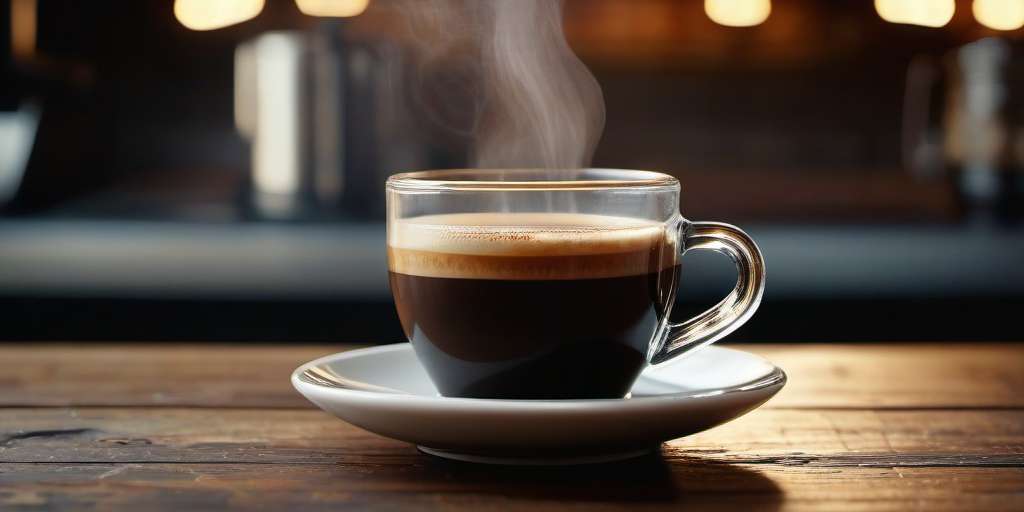
Espresso serving cups have a specific design that contributes to the tasting experience. They are small, usually made of ceramic or glass, and have the ability to retain heat.
- Capacity: They usually have a capacity of between 30 and 60 milliliters, ideal for an espresso.
- Design: They usually have a wider rim and a concave bottom, which helps concentrate the aromas and flavors of the drink.
- Aesthetics and functionality: It's essential that the cups are heat-resistant and have an ergonomic design that makes it easy to grip and drink espresso.
Frequently Asked Questions about Espresso Coffee
Curious about espresso is common among espresso aficionados. Below are some frequently asked questions to help you better understand this unique experience.
How many grams of coffee should I use?
The amount of coffee used is crucial for obtaining an optimal espresso. Generally, a standard is recommended, which varies slightly depending on the type of espresso you want to prepare.
- For a single espresso, approximately 7 grams of ground coffee are used.
- A double espresso requires the use of around 14 grams of coffee.
- A short espresso can be made with the same amount of coffee as a single espresso, but using less water.
The grind level and tamping method will also influence the amount of coffee needed. A well-balanced espresso is achieved by having the right amount and a uniform blend.
What is the best temperature for water?
Water temperature is another crucial factor in espresso preparation. The ideal temperature for preparing espresso is usually within a specific range, where flavor extraction is optimal.
- The recommended temperature is between 90 and 96 degrees Celsius.
- If the water is too hot, it can burn the coffee and result in a bitter taste.
- If the water is too cold, the extraction will not be effective and the espresso will be bland.
Temperature control may vary slightly depending on the type of coffee, but generally speaking, keeping the water within this range ensures a delicious espresso.
What to do if espresso tastes bitter?
A bitter espresso can be frustrating for any coffee lover. This undesirable flavor can arise for several reasons, and there are ways to check and adjust the brewing process.
- Check the grind: If the coffee is ground too fine, it can cause over-extraction, resulting in bitterness. Consider adjusting the grind to a slightly coarser size.
- Check the temperature: As mentioned above, water that's too hot can "burn" the coffee. Make sure the temperature is within the proper range.
- Control the extraction time: Improper extraction time can also cause bitterness. An espresso should be extracted between 25 and 30 seconds.
By making these adjustments, you can minimize the risk of bitter espresso, ensuring a pleasant experience with every cup.
Benefits of Espresso Coffee
Espresso coffee offers a variety of benefits beyond its exquisite flavor and aroma. From its health benefits to its cultural and social impact, consuming espresso can enrich the daily lives of those who enjoy it.
Health benefits
Espresso coffee, when consumed in moderation, can provide several health benefits. These include:
-
Antioxidants
Espresso is a rich source of antioxidants that help fight free radicals in the body. These compounds may reduce the risk of chronic diseases and contribute to better overall health.
-
Energy boost
Thanks to its high caffeine content, espresso can improve energy and concentration. This effect is due to the fact that caffeine acts as a stimulant of the central nervous system, promoting mental alertness and cognitive performance.
-
Improved physical performance
The caffeine in espresso has also been linked to increased physical performance. Drinking an espresso before exercising can help increase endurance and decrease the perception of exertion, which can be beneficial for athletes.
-
Liver protection
Numerous studies have indicated that regular coffee consumption, including espresso, can contribute to liver protection. This is because it can reduce the risk of developing liver disease and keep the organ healthy.
Cultural and social benefits
Espresso not only impacts health, but also plays an important role in culture and social interactions. Some of its cultural and social benefits include:
-
Tradition and ritual
Espresso drinking is part of deep-rooted traditions, especially in countries like Italy. Sipping an espresso in a café has become a daily ritual that encourages socializing and enjoying the moment.
-
Stimulation of trade
Coffee culture has led to a boom in the coffee shop and bar industry, positively impacting the local economy. These spaces not only offer quality coffee but also become meeting places for the community.
-
Promoting creativity
Many believe that espresso can stimulate creativity. The energy and focus it provides can inspire people to work on artistic or innovative projects, boosting personal expression.
Making Espresso at Home
The art of preparing espresso at home allows you to enjoy this exquisite beverage in the comfort of your own home. Attention to detail and a little practice are required to achieve a satisfying result.
Choosing the coffee maker
Selecting the right coffee maker is essential for preparing a good espresso. There are different types of coffee makers, each with its own features and benefits. The most common include:
- Manual machines: Offer greater control over brewing. Ideal for those who enjoy experimenting with grinding and pressure.
- Automatic machines: These automate most processes, making preparation easier. They're a good option for those who prefer convenience.
- Super-automatic machines: They perform almost the entire process automatically, from grinding to frothing the milk. Perfect for those looking for a hassle-free experience.
Tips and tricks for a good espresso
To achieve a quality espresso, it's important to follow a few tips that make a difference in the final result.
- Use fresh coffee: Opting for freshly roasted and ground beans ensures a more intense and aromatic flavor.
- Check the grind: Make sure the coffee is ground as finely as table salt. An improper grind can affect the extraction.
- Preheat the machine: Allow the coffee maker to reach the proper temperature before brewing coffee. This ensures optimal extraction.
- Use filtered water: The quality of the water directly influences the flavor of your espresso. Using clean, filtered water is vital.
- Extraction time: Maintaining an extraction time between 25 and 30 seconds allows for a balanced espresso.
Common mistakes to avoid
Some practices can negatively affect the quality of espresso. It's key to recognize these common mistakes:
- Using old coffee: Coffee that has been exposed to air for too long will lose its freshness and flavor.
- Failure to tamp properly: Failure to tamp ground coffee can result in uneven water flow and poor extraction.
- Neglecting to clean the machine: Buildup of residue can alter the flavor of your espresso. Keeping your machine clean is essential.
- Exceeding the extraction time: Prolonged extraction can cause espresso to taste bitter or over-extracted.
- Disregard water temperature: Using very hot or cold water will affect extraction. The ideal temperature is between 90°C and 96°C.
GreenHillsCoffee.co is positioned as a benchmark in the sale of Colombian specialty coffee, offering quality products and comprehensive services throughout the coffee production chain.
GreenHillsCoffee.co: Your Ally in Specialty Coffee
Available products
GreenHillsCoffee.co offers a wide variety of products that cover the different stages of the coffee experience. The selection includes:
- Colombian specialty coffee, grown in the best regions of the country.
- Selected coffee beans, guaranteeing freshness and quality.
- Customized grinding to suit each consumer's preferences.
- Equipment and implements necessary for preparing coffee, such as:
- Espresso machines of different types and brands.
- Coffee grinders, manual and electric.
- Espresso cups and essential accessories.
Services in the production chain
GreenHillsCoffee.co is dedicated to offering comprehensive services covering every stage of the coffee production chain, from planting to marketing. This includes:
- Crop Consulting: Guidance on best growing practices for coffee producers.
- Processing: Benefit services that ensure the quality of the grain after harvest.
- Training: Courses and workshops to develop skills in coffee preparation and marketing.
- Distribution: Logistical support to ensure that coffee reaches customers fresh and in perfect condition.
Benefits of shopping at GreenHillsCoffee.co
Customers who choose GreenHillsCoffee.co experience several important benefits:
- Quality guaranteed: All products are carefully selected, ensuring exceptional tasting coffee.
- Variety: Wide range of options to suit different tastes and preparation preferences.
- Connections with producers: We directly support Colombian coffee growers, promoting fair trade and local development.
- After-sales support: Ongoing support and advice for the correct use of purchased products.


