Industrial threshing
For producers and exporters with batches of 500 kg or more.
- High-volume processing capacity
- Batch physical report
- Optional vacuum packaging
Threshing service for conventional and specialty coffee. Bean sorting, moisture control, and sensory analysis under one roof — from farm to cup, without intermediaries.
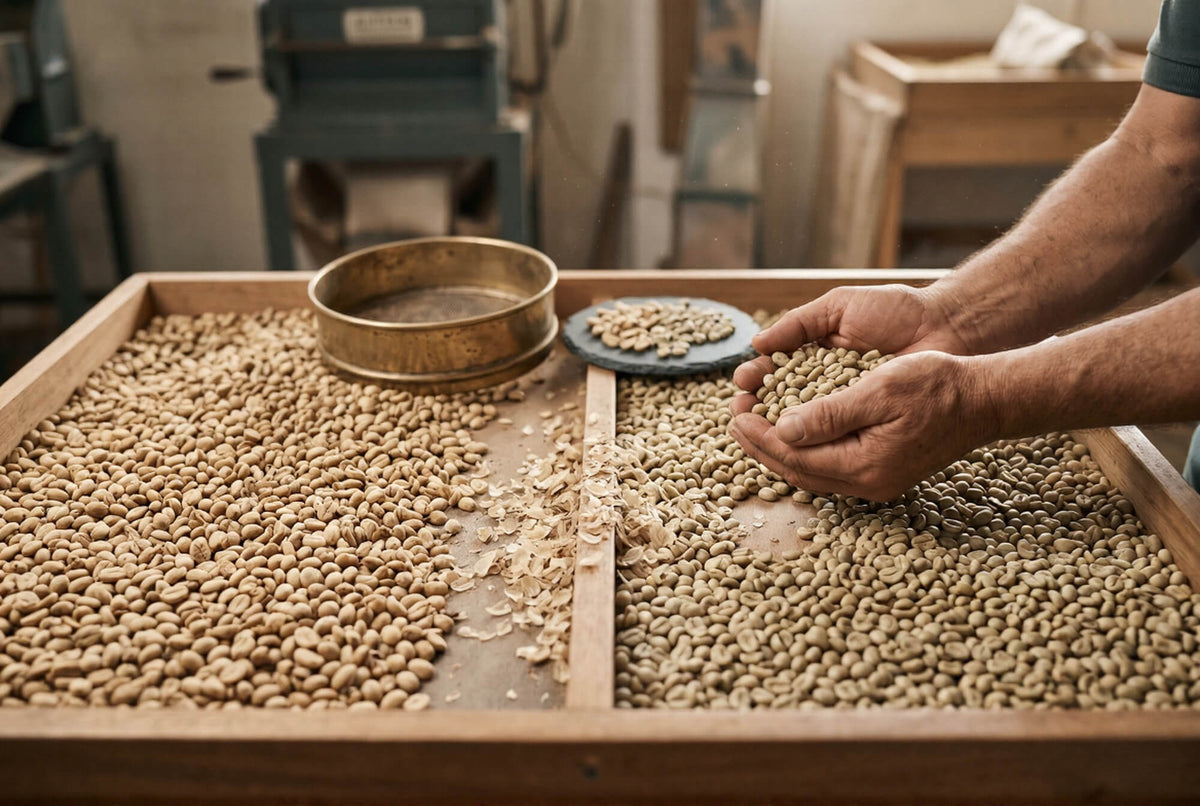
Hulling is the stage that separates the green bean from the dry parchment. A poorly calibrated huller breaks the bean, affects density, and reduces the commercial value of the lot. At Green Hills, we calibrate each lot according to its origin, varietal, and process.
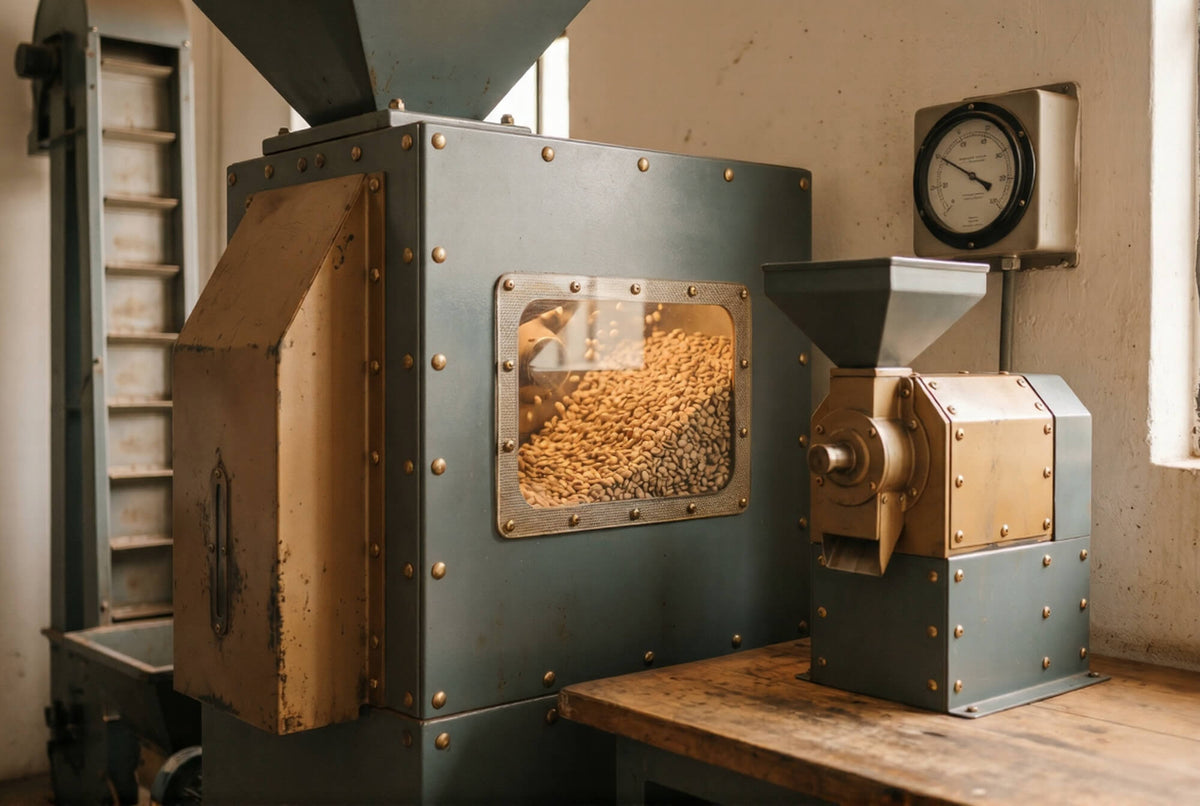
We operate industrial equipment for processing large volumes and laboratory threshers for samples and micro-batches. Each batch is monitored with humidity sensors and optical sorters when applicable.
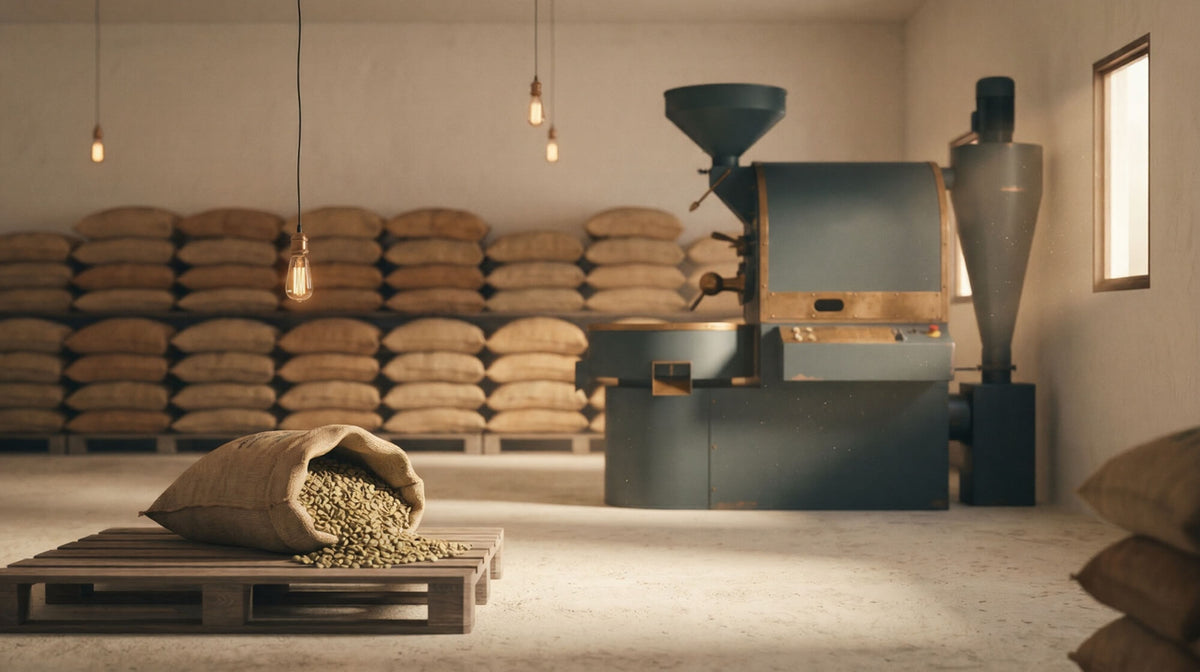
Each threshed lot undergoes physical analysis (moisture, defects, density, screen) and professional cupping under SCA protocol. You receive a detailed report that you can share with your buyer or final roaster.
Inspection, weighing, and recording of lot origin
Density separation and impurity removal
Parchment removal with quality monitor
Screening and optical sorter classification
SCA cupping, physical report, and final packaging
For producers and exporters with batches of 500 kg or more.
For microlots, harvest samples, or quality assessment.
Full service: we thresh, roast, and package your brand.
| Feature | Threshing display | Industrial threshing | Comprehensive service |
|---|---|---|---|
| Minimum Volume | 8.82 oz | 500 kg | 500 kg |
| Combine with monitor | ✓ | ✓ | ✓ |
| Physical analysis | ✓ | ✓ | ✓ |
| SCA Cupping | ✓ | Optional | ✓ |
| Optical selector | — | ✓ | ✓ |
| Roast | — | — | ✓ |
| Vacuum seal | — | Optional | ✓ |
| Delivery time | 48–72 h | 5–10 days | 10–15 days |
La trilla es el punto donde un lote gana o pierde su valor de exportación. Esto es lo que revisamos en cada lote que entra a nuestra planta de Itagüí, y por qué importa.
El proceso de descascarillado retira el pergamino que protegió al grano durante el secado y deja el café verde listo para viajar. Ningún comprador internacional evalúa café en pergamino: lo que se cotiza, se cata y se embarca es el grano trillado, clasificado y con la humedad bajo control.
Por eso los beneficios de la trilla del café son directamente comerciales. Una trilla bien calibrada conserva la densidad del grano, reduce el partido y permite separar el lote por criba, que es el lenguaje con el que un importador define y paga un contrato. Una trilla mal calibrada convierte café de especialidad en pasilla en cuestión de minutos.
Aplicamos el mismo protocolo a un microlote de 250 g y a un contenedor completo. Cada lote entra con inspección, pesaje y registro de origen, pasa por pre-clasificación de densidad antes de tocar la trilladora, y sale con un reporte físico-sensorial y un código único de trazabilidad.
El control no termina en la máquina: medimos humedad después de trillar, pasamos el café por selector óptico cuando el lote lo requiere y catamos bajo protocolo SCA. Nuestros lotes de especialidad salen desde 84 puntos SCA, y ese puntaje queda documentado en el reporte que puedes enviarle a tu comprador o a tu tostador final.
La trilla convencional está diseñada para volumen: la máquina corre rápido, el lote se homogeniza y se acepta un porcentaje de grano partido porque el destino es el mercado interno o el café industrial. La prioridad es la tonelada por hora.
La trilla de café especial invierte la ecuación. Bajamos la velocidad de alimentación, ajustamos la presión según el varietal y el proceso —un natural y un lavado no se trillan igual— y corremos el lote solo, sin mezclarlo con otros. Antes y después de cada lote especial purgamos el equipo para que no quede grano del anterior. Es más lento y más costoso por kilo, y es la única forma de que el perfil construido en la finca llegue intacto a la taza.
La calidad del grano después de la trilla se mide, no se promete. Comparamos peso de entrada y salida para calcular la merma real, revisamos el porcentaje de partido sobre muestra y verificamos que la densidad se mantenga dentro del rango del lote original.
Si el lote va a exportación, ese mismo reporte sirve como soporte documental frente al importador.
The physical-sensory report opened doors for us with a buyer in South Korea. Green Hills' milling is the most consistent we've used in five years.
They mill microlots with the same care as a large industrial producer. For us, who sell specialty coffees by auction, that is invaluable.
Comprehensive service, professional team. On-site SCA cupping saves us two weeks of logistics every harvest.
The minimum volume is 500 kg of dry parchment coffee. For smaller volumes, we offer a sample hulling service starting from 250 g, ideal for quality evaluation.
Yes. We calibrate the equipment according to the type of batch to avoid mixing and preserve traceability.
SCA cupping is included in the sample hulling service and the comprehensive service. For industrial hulling, it is optional.
We are in Itagüí, Antioquia (Cra. 54 #79-30). We receive coffee from any region of Colombia. We coordinate lot entry via email or WhatsApp.
Sample hulling: 48–72 h. Industrial hulling: 5–10 business days. Full service with roasting and packaging: 10–15 business days.
Tell us about your lot and the type of service you are looking for. We will respond within 24 business hours with a detailed proposal.
Receive a personalized proposal in 24 business hours.
The same quality we deliver to our B2B clients, now directly in your cup.