

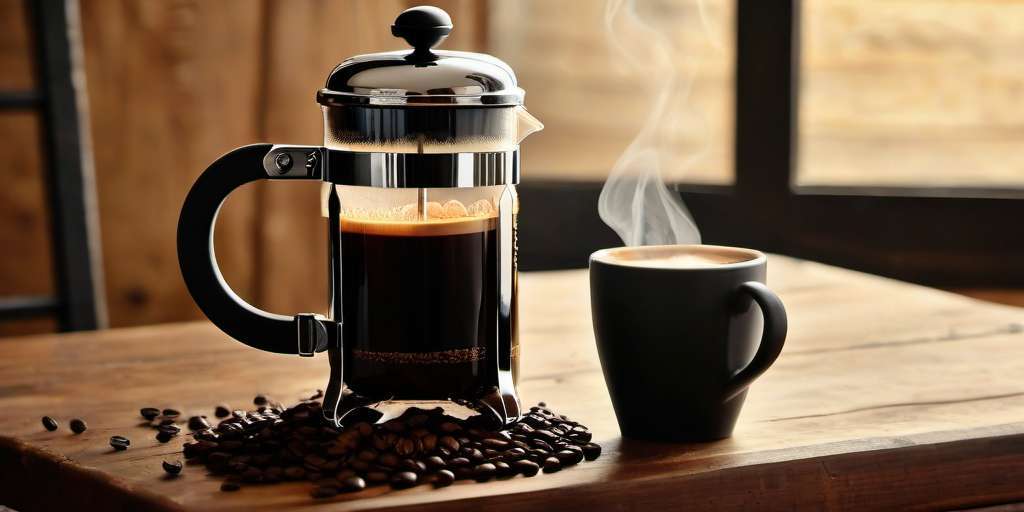
The French press is a classic method for preparing coffee, known for its simplicity and effectiveness. This device, with a long history, allows the optimal extraction of coffee bean flavors and aromas. Originating in the 19th century, it has become a favorite among coffee lovers in Colombia. This article will explore its characteristics, operation, and the benefits it offers when enjoying a good cup of coffee.
History of the French Press
The French press has a rich history dating back to its creation in the 19th century. Since its inception, it has evolved considerably and gained popularity in various cultures, becoming a symbol of the art of coffee preparation.
Origins and evolution
The French press was invented in 1830 by an Italian coffee manufacturer named Attilio Calimani. Its initial design was simple, consisting of a carafe and a plunger that allowed the flavors of ground coffee to be extracted through an immersion process. Over time, this device has undergone several modifications that have optimized its operation and popularity.
In its early versions, the French press was primarily made of metal and glass. With the maturation of the design, different materials and styles began to emerge, allowing presses to adapt to consumer preferences worldwide. Its use rapidly expanded throughout Europe and later to the rest of the world, being particularly appreciated in countries with a rich coffee tradition.
Global popularity
As coffee became one of the most consumed beverages, the French press gained followers among coffee lovers for its ability to highlight flavors, offering a more intense experience. Especially in the 20th century, the press began to be associated with a more relaxed lifestyle, conscious of the coffee preparation process.
The popularity of the French press was not limited to home kitchens. In many coffee shops and restaurants, its use allows baristas to offer an artisanal experience that many customers value. Today, this method remains one of the preferred choices, especially for preparing specialty coffee that highlights the unique qualities of each bean. The French press has become a symbol of the "quality coffee" philosophy, promoting the use of fresh beans and careful preparation techniques worldwide.
Thanks to its simplicity, portability, and exceptional results in flavor and aroma, the French press has found its place in various contexts, from home to coffee shop environments, keeping its legacy alive in contemporary coffee culture.
How the French Press Works
The French press mechanism is ingenious and simple, allowing for effective flavor extraction. This process is based on a series of components and a well-defined extraction method that highlights the characteristics of the coffee.
Main components
The French press is made up of several key parts that work together to brew an exceptional cup of coffee. The most important elements include:
- Carafe or container: Generally made of borosilicate glass, stainless steel, or wood, this is where the coffee is steeped. Its design allows for easy handling and supervision of the process.
- Plunger: This element has a metal filter that separates the ground coffee from the liquid. When pressed down, it allows the steeped coffee to flow while trapping the sediments at the bottom.
- Base or stand: The base provides stability to the press, preventing spills and facilitating coffee serving.
- Lid: Keeps the heat inside the carafe and aids in the extraction process by allowing the plunger to be used correctly.
Extraction process
Extraction in a French press is an art that requires attention to certain steps to ensure the best result in the cup. This process consists of several stages:
- Coffee preparation: It begins with grinding the coffee. It is recommended that the coffee be coarsely ground to prevent sediments from passing into the final beverage, which could ruin the experience.
- Adding water: Once the coffee is ground, hot water is added, preferably at a temperature between 90 and 95 degrees Celsius. This ensures that aromatic compounds and essential oils are properly released.
- Infusion: After adding the water, the mixture is left to steep for about 4 minutes. This time is crucial, as it allows the coffee to infuse optimally.
- Pressing the plunger: Carefully, the plunger is pressed down. This separates the sediments from the coffee, leaving it ready to serve. The "press" is a crucial step, as if done too vigorously, it can affect the texture and flavor.
Types of French Presses
There are various types of French presses, each designed to satisfy different preferences and needs in coffee preparation. Below are the most common types and their distinguishing characteristics.
Borosilicate glass presses
Features and advantages
Borosilicate glass presses are known for their resistance to high temperatures. This material, composed of boron silicate, is not only durable but also less prone to breaking compared to conventional glass. Its transparency allows observing the coffee extraction process, providing an interesting visual experience while preparing the beverage. Additionally, it does not retain odors or flavors, ensuring that each cup of coffee has the authentic taste of the beans.
Recommended uses
This type of press is ideal for those seeking an aesthetic and functional solution in their kitchen. It is recommended for domestic use, especially for gatherings where you want to showcase the art of coffee preparation. They are also perfect for small coffee shops that want to offer quality coffee, allowing customers to appreciate the brewing process.
Stainless steel presses
Durability and maintenance
Stainless steel presses are renowned for their robustness and resistance to corrosion. This material guarantees a long lifespan, making these presses an effective investment. Their modern design also makes them attractive to those who value contemporary aesthetics. They require less maintenance compared to glass ones, as they are less susceptible to breakage.
Comparison with other materials
Compared to glass and wood presses, stainless steel stands out for its ease of cleaning and durability. While glass presses require special care to avoid breakage, stainless steel ones are more versatile and suitable for prolonged use. However, their opacity prevents observing the extraction process, which might detract a little from the visual enjoyment some prefer.
Wood and bamboo presses
Aesthetics and functionality
Wood and bamboo presses combine beauty and functionality. Wood, being a natural material, brings warmth and a rustic touch to the coffee experience. This type of press usually incorporates a borosilicate glass container inside, allowing the user to enjoy the aesthetics of the wood without sacrificing the visualization of the extraction process. However, care must be taken to prevent the wood from absorbing coffee odors or flavors.
Popular models
Popular models include those that use bamboo due to its sustainability and strength. These models are especially valued in the Colombian market, where products that are environmentally friendly are sought after. The variety of wood used can influence the design, ensuring that each press has its own distinctive personality.
French presses of different capacities
350ml French press
350ml presses are ideal for brewing one to two cups of coffee, making them a perfect option for couples or for those who enjoy a morning cup of coffee without making too much. Their compact size makes them easy to store and transport, perfect for travel or occasional use.
600ml French press
600ml presses are versatile and allow brewing three to four cups of coffee. This is an excellent option for those who host frequent guests or want to enjoy several cups throughout the day. This size is popular in Colombian homes, where coffee is part of tradition and socialization.
Larger presses
Larger capacity presses, which can hold 1 liter or more, are perfect for serving large groups or at gatherings. They allow several cups to be prepared at once, which is practical for social events. Still, it should be noted that they require more storage space and careful handling due to their size.
Benefits of Using a French Press
The French press offers multiple advantages that have made it a preferred option among coffee enthusiasts. Its unique characteristics allow for superior quality coffee and provide users with significant control over the brewing process.
Superior flavor and aroma
Coffee made in a French press stands out for the intensity of its flavor and aroma. This is because the method allows for the complete extraction of oils and aromatic compounds from the coffee. Without a paper filter to absorb these oils, each cup reflects the natural essence of the bean. Coffee lovers appreciate this sensory richness, finding that fruity, floral, or chocolate notes are more pronounced.
Control over the brewing process
A significant benefit of the French press is the ability to customize coffee preparation. Baristas and enthusiasts can adjust various factors, such as the amount of coffee used, infusion time, and water temperature. This control results in a more personalized coffee experience. Different coffee-to-water ratios allow experimenting with the intensity and strength of the beverage, adjusting the drink to individual tastes.
Sustainability and environment
This coffee brewing method is considered more sustainable than others. By using a metal filter instead of disposable paper filters, the French press does not generate additional waste. This helps reduce the environmental impact of coffee preparation. Additionally, the durability of French press materials minimizes the need for frequent replacement, promoting more responsible consumption.
Portability and versatility
The French press is characterized by its compact and simple design, making it ideal for taking anywhere. Its lightness and durability allow it to be used in various situations, whether at home, in the office, during a trip, or in outdoor activities. Furthermore, it is not only limited to preparing coffee, but can also be used to infuse teas, herbs, or even cold coffee, making it a versatile tool for lovers of hot beverages and new experiences.
How to Brew Coffee in a French Press
Brewing good coffee in a French press is an art that combines the right selection of beans, the extraction process, and the use of correct proportions. This method highlights the intense flavors and unique notes of coffee, offering a rich sensory experience.
Coffee selection and grinding
Coffee quality begins with selecting fresh, high-quality beans. It is recommended to use Colombian beans, which are recognized worldwide for their exceptional flavor and aroma.
- Opt for specialty coffees that guarantee quality.
- Choose freshly roasted beans to preserve oils and flavors.
Coffee grinding is a crucial aspect of this method. For the French press, a coarse grind is essential, as a fine grind can pass through the filter and cause the coffee to have sediments. The coarse grind allows for uniform extraction, ensuring that each bean releases its unique characteristics.
Coffee to water ratio
The proper ratio of coffee to water is essential to achieve the perfect balance of flavor. Generally, it is recommended to use two heaping tablespoons of ground coffee for every 180 ml of hot water. This measurement can be adjusted according to personal taste.
- For stronger coffee, the amount of ground coffee can be increased.
- If a milder flavor is preferred, the amount of coffee can be slightly decreased.
It is crucial to use hot water, at a temperature between 90 and 95 degrees Celsius. This ensures optimal coffee extraction without burning the beans, which could alter the final taste of the beverage.
Infusion time
Infusion time is another determining factor in coffee preparation. It is recommended to let the coffee steep for approximately four minutes after adding the hot water. This time allows the oils and flavors to be fully extracted, creating a rich and aromatic beverage.
- For a more pronounced flavor, it is possible to increase the time to five minutes.
- If the coffee is left to infuse for too long, it can result in a bitter and excessively strong taste.
Plunger press
Once the infusion time has elapsed, proceed to press the plunger. This should be done slowly and carefully, avoiding applying too much force, which could alter the coffee's texture. When pressing the plunger, the sediments are separated from the liquid, ensuring that only liquid coffee is served in the cup.
- Slow movements allow for proper sediment separation.
- It is important not to force the plunger excessively, to avoid breaking or damaging it.
Once this step is completed, the coffee is ready to be served and enjoyed. French press preparation offers a cup that highlights the best of the beans used, making each experience a special moment.
Usage Recommendations
To get the best experience when brewing coffee with a French press, it is essential to follow some recommendations. These tips help maximize the flavor and quality of the beverage, ensuring optimal and pleasant preparation.
Use of hot water
Water temperature is a crucial factor in extracting coffee flavors. To achieve an exceptional cup, it is advisable to use hot, but not boiling, water. The ideal temperature ranges between 90°C and 95°C. If the water is too hot, it can burn the coffee, creating a bitter and undesirable taste.
On the other hand, if the water does not reach the indicated temperature, the extraction of compounds will be incomplete, resulting in a beverage without the expected rich flavors. To control the temperature, it is advisable to boil the water and then let it rest briefly before pouring it over the ground coffee.
Avoiding coffee sediment
One of the distinguishing characteristics of the French press is that, by not using paper filters, the coffee retains more oils and sediments. However, measures can be taken to minimize the presence of unwanted particles. Using coarsely ground coffee is essential, as fine grinds tend to pass through the filter, generating sediment in the final beverage.
When preparing coffee, it's important to press the plunger slowly and steadily. This helps separate the sediment from the liquid and ensures the coffee is cleaner and smoother when served. Cleaning the French press after each use is also vital to maintain the purity of the flavor and prevent the accumulation of residue that could alter the taste of future preparations.
Adaptations according to personal taste
Every coffee enthusiast has their own preferences. Therefore, it is advisable to experiment with different parameters until the perfect balance is found. Adjustments can be made to the amount of coffee, brewing time, and water temperature. Some variations to consider include:
- Coffee to water ratio: The amount of coffee can be modified according to the desired intensity. A standard measurement is two tablespoons per 180 ml of water, but this can be adjusted to personal taste.
- Brewing time: While 4 minutes is the recommended time, it can be increased or decreased depending on whether a stronger or milder coffee is preferred.
- Addition of ingredients: Experimenting with spices or additional flavors, such as cinnamon or vanilla, can give an interesting twist to the preparation. This allows for personalization of the tasting experience and adaptation to different occasions.
These adjustments encourage a deeper connection with the coffee preparation process and can enhance the enjoyment of each cup, making it unique and satisfying.
French Press Accessories and Kits
The right accessories and kits can significantly improve the experience of preparing coffee with a French press. Having the correct tools ensures better control over the process, in addition to facilitating the creation of delicious coffee.
Measuring spoons
Measuring spoons are essential for precisely measuring the amount of ground coffee required for each preparation. A good coffee-to-water ratio ensures ideal extraction, preventing coffee from being too strong or too weak.
There are spoons of different sizes and materials, allowing coffee lovers to choose according to their preferences. Stainless steel spoons are popular for their durability, while plastic ones are lightweight and easy to handle. It is advisable to use spoons specifically designed for coffee, as they offer more accurate measurements for preparing the beverage.
Coffee grinders
Having a good coffee grinder is fundamental to enjoying maximum flavor in every cup. Beans should be ground just before preparation to preserve the oils and aromas released during the process.
Types of grinders
- Blade grinders: These grinders are more accessible and easier to use, ideal for those starting out in the world of coffee. However, they tend to produce inconsistent grinds, which can affect the final flavor.
- Burr grinders: They offer a more uniform grind and are preferred by baristas. Their design allows for adjusting the grind texture, from coarse to fine, depending on the desired preparation method.
Specific cups and glasses
Using the right container to serve coffee can enhance the tasting experience. There are cups and glasses specially designed to accentuate the aroma and notes of French press coffee.
Ceramic cups are a popular choice due to their ability to retain heat. On the other hand, glass cups, which allow you to observe the color and texture of the coffee, are ideal for those who appreciate aesthetics in their beverage. Some models even come with double walls, which prevents burns to the touch.
Gift kits
Gift kits that include a French press, premium coffee, and accessories are an excellent option for both gifting and personal enjoyment. These kits are often ideal for those who wish to enter the world of specialty coffee culture.
- Basic kits: Include a French press and a bag of selected coffee, perfect for beginners.
- Advanced kits: Include, in addition to the press and coffee, a grinder, spoons, and specific cups, offering a complete experience from grinding to tasting.
Proper maintenance of the French press is essential to ensure its optimal performance and prolong its lifespan. This process includes regular cleaning, inspection of filters, and appropriate storage, thus ensuring that every cup of coffee is always prepared with the best quality.
French Press Maintenance
Regular cleaning
Regular cleaning is a fundamental task to preserve the quality of coffee prepared in a French press. The steps to follow are detailed below:
- After each use, it is advisable to empty the coffee grounds and rinse the carafe and filter with hot water.
- For deeper cleaning, mild soap and non-abrasive sponges can be used. It is vital to avoid using aggressive chemical products, as they could damage the materials.
- Special attention should be paid to the parts where coffee oils and residues accumulate. These can affect the taste in subsequent preparations.
Filter inspection and replacement
French press filters are a crucial part of the extraction process. Regularly inspecting them helps maintain coffee quality. Aspects to consider include:
- Check the condition of the stainless steel filter. Over time, residues can accumulate that could alter the taste of the coffee.
- If signs of damage are observed, such as tears or deformations, it is important to replace the filter to prevent coffee particles from passing into the liquid.
- It is advisable to have a spare filter on hand to avoid interrupting the preparation process.
Proper storage
How the French press is stored also influences its durability. The following tips ensure good care:
- It should always be in a dry and clean place, away from direct sunlight to prevent material deterioration.
- It is preferable to disassemble the French press and store the parts separately if it will not be used for a prolonged period. This prevents the parts from deteriorating or deforming.
- Keeping it away from sources of humidity or extreme heat will help preserve its functionality and aesthetics.
Variations and Recipes
The versatility of the French press allows for creating diverse coffee variations, enriching the ritual of preparation. Recipes using this coffeemaker can be adapted to different tastes and preferences, presenting creative options for enjoying a good cup of coffee.
Spiced coffee
Incorporating spices into coffee preparation is an excellent way to personalize the flavor. Spices add an exotic touch and complement the coffee's profile, giving it a new dimension. Some popular options include:
-
Cinnamon
Adding a cinnamon stick to the coffee grounds offers a warm and inviting flavor. This touch is especially suitable for those who enjoy a more aromatic coffee.
-
Vanilla
Vanilla enhances the flavors of coffee, providing a sweet and smooth profile. Vanilla extract or a vanilla bean can be added during the infusion process for a delicious coffee.
-
Cardamom
Cardamom is an aromatic spice that offers a unique flavor. Sprinkling a little into the ground coffee provides a refreshing and spicy touch that is ideal for lovers of distinct flavors.
Decaffeinated coffee
For those who prefer to avoid caffeine, the French press is an ideal option for preparing decaffeinated coffee. This method allows all the flavors and aromas of the coffee to be extracted, without the caffeine load. It is important to choose high-quality decaffeinated coffee beans, ensuring a delicious and satisfying experience.
-
Coffee selection
Opting for a decaffeinated coffee that has been carefully processed ensures a good balance of flavors. Looking for varieties with fruity or floral notes can further enrich the tasting experience.
-
Preparation process
To prepare decaffeinated coffee in a French press, the usual steps are followed, ensuring the same care and precision in grinding and brewing. This allows for enjoying a balanced cup, without the worry of caffeine.
Iced coffee
Iced coffee is a refreshing drink perfect for warm days. The French press offers a simple method for preparing it, maintaining all the flavors of the coffee at their best. This style of coffee can be either a product of the hot brewing process followed by cooling, or a direct preparation from cold coffee.
-
Traditional preparation
To prepare iced coffee in the traditional way, start by making strong coffee using the French press. Once ready, ice can be added and stirred to quickly cool the drink.
-
Direct cold brew
For a cold brew preparation, coarse ground coffee is mixed with cold water in the press and allowed to steep for 12-24 hours. Afterwards, the plunger is pressed and served over ice, resulting in a smooth and refreshing drink.
Cold Brew in a French press
The cold brew method is booming due to its smoothness and low acidity. By using a French press for this process, a delicious and less bitter coffee is achieved.
-
Extraction process
Cold brew in a French press is prepared with coarse ground coffee and cold water. A ratio of 1:4 (one part coffee to four parts water) is recommended, and it should steep for 12 to 24 hours in the refrigerator.
-
Final result
After the brewing time, the plunger is pressed as in normal preparation, and a concentrated coffee is obtained. This coffee can be diluted with more water or milk and served with ice, creating a personalized and refreshing drink.
The French Press in Colombian Coffee Culture
The French press has found a special place in Colombia's rich coffee tradition. This preparation method highlights the quality of Colombian coffee, and its influence extends to homes and coffee shops, where the coffee experience is elevated to a higher level.
Specialty coffee in Colombia
Colombia is recognized worldwide for its specialty coffee, characterized by its high-altitude cultivation and ideal climatic conditions. The French press allows for extracting all the nuances of flavor and aroma from these exceptional beans. When using specialty coffees, enthusiasts can enjoy a cup that reflects the complexity and richness of their origin.
Barista experience
The crisis and evolution of coffee culture have driven a notable interest in barista skills. Courses and workshops on preparation techniques have proliferated in Medellín and other cities. In this context, the French press has become an essential tool. It offers a manual way to prepare coffee, which implies greater control over the extraction process.
- Enthusiasts can experiment with different brewing times and coffee-to-water ratios.
- This manual approach fosters a deeper connection between the barista and the beverage they are preparing.
Influence in homes and coffee shops
The popularity of the French press has transcended its exclusive use. It has become an emblem of coffee culture in Colombia. In homes, it is common to find this utensil as part of the daily coffee equipment. Thus, many families choose to enjoy coffee made with this method for its simplicity and the final taste result.
- In coffee shops, the French press is an attractive option on the menu, inviting customers to enjoy an authentic experience.
- Many baristas recognize its importance in offering coffee prepared with attention to detail, highlighting the quality of Colombian coffee.
The blend of tradition and innovation in coffee preparation using the French press sets a significant trend in Colombia's coffee culture. From home to professional coffee shops, its impact continues to grow, enriching the coffee experience in every cup.
Frequently Asked Questions
This section addresses the most common concerns about the use and characteristics of the French press. The answers provide clarity on its operation, comparison with other methods, and practical aspects for users.
Why choose a wooden French press?
The wooden French press stands out for its rustic aesthetic and elegant design. This type of press combines materials, offering not only a good visual appearance but also functionality. The advantages of choosing a wooden press include:
- Natural Aesthetic: Wood adds a cozy and sophisticated touch to any kitchen, making it ideal for those seeking a more artisanal style.
- Durability: Although it may require a little more care, wood can be very resistant and durable if properly maintained.
- Material Combination: Wooden presses usually incorporate borosilicate glass parts, which allows for enjoying coffee extraction without compromising strength.
Comparison with other extraction methods
The French press differs from other methods like drip or espresso machines in several ways. Here are some comparative aspects:
- Oil Extraction: Unlike filtered methods, the French press allows for a complete extraction of coffee oils, resulting in a more robust flavor.
- Preparation Time: The French press requires a brief brewing time, while other methods, such as filtered coffee, can take longer.
- Process Control: Users can regulate the brewing time and the coffee-to-water ratio more precisely compared to automatic machines.
Ease of use and results
The French press is an intuitive and simple method for preparing coffee. Its design allows anyone to achieve satisfactory results. This translates into:
- Clear Instructions: The steps are simple and easy to follow, facilitating preparation for beginners.
- Consistent Flavor: With practice and attention to ingredient ratios, it is possible to consistently achieve delicious coffee.
- No Additional Equipment Needed: Unlike other methods that require more tools, the French press works on its own.
How durable is a glass French press?
The durability of a glass French press, especially if it is made of borosilicate, is considerable. Here are some relevant characteristics:
- Heat Resistance: Borosilicate is known for withstanding high temperatures, making it ideal for coffee preparation.
- Ease of Cleaning: Allows for quick and effective cleaning, preventing the accumulation of unwanted odors or flavors.
- Necessary Care: Although it is resistant, it should be handled with caution to avoid drops that could break the glass.
Best French press for beginners
For those starting in the world of coffee, selecting an appropriate press is important. Recommendations include:
- Basic Model: Opting for a borosilicate glass press that offers a good capacity, around 350ml, is ideal for beginners.
- Simple Features: Choosing a unit without complicated parts can help familiarize oneself with the process without frustration.
- Recommended Accessories: Consider purchasing a kit that includes a coffee grinder and measuring spoons to optimize the brewing experience.


