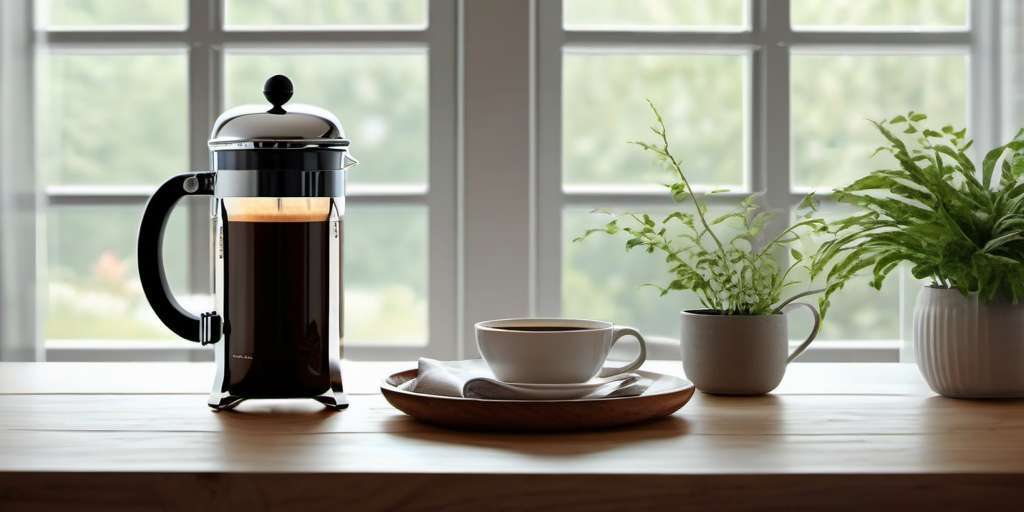
Coffee is an essential beverage in Colombian culture, and preparing quality coffee at home is an art that deserves attention. With a few simple tips, you can achieve an exceptional cup. From the selection of fresh beans to the brewing method, every detail matters. This article offers guides and recommendations for enjoying the best coffee in the comfort of your home.

The Importance of Buying Quality Coffee
Choosing quality coffee is essential for a complete experience. The right beans are crucial for achieving exceptional flavor and ensuring you reap the benefits of this beloved beverage.
Differences between Arabica and Robusta
Coffee beans are divided primarily into two categories: Arabica and Robusta, each offering unique characteristics that affect flavor and quality.
- Arabica: This type of bean is grown at higher altitudes and is known for its smooth, fruity flavor. It has less caffeine, making it a more delicate option. Its flavor profile is more complex, making it a favorite among specialty coffee lovers.
- Robusta: Unlike Arabica, Robusta grows at lower altitudes and is more resistant to pests. It has a stronger, more bitter flavor and higher caffeine content. While it can be used for certain styles of coffee, it is generally considered to be of lower quality compared to Arabica.
How to identify good coffee
Recognizing good coffee can be an art. Quality depends not only on the type of bean, but also on its freshness and roasting method.
- Freshness: Fresh coffee is crucial for a delicious cup. Beans should ideally be consumed within 60 days of roasting.
- Appearance: Quality beans are uniform in size and color, with no visible blemishes or defects.
- Fragrance: The aroma of the beans is an indicator of their freshness. It should be intense and pleasant, without any rancid odors.
- Labeling: Packaging should clearly indicate the variety, roasting date, and region of origin. The seller's transparency in these aspects is a good sign of quality.
Where to buy fresh coffee
Finding fresh coffee can be a challenge, but it's essential to ensuring the best experience. Below are some recommended options for purchasing quality coffee.
Greenhillscoffee.co: Your Best Choice
This site specializes in offering Colombian specialty coffee. The beans are carefully selected and roasted to preserve their freshness. By choosing Greenhillscoffee.co, you're guaranteed to purchase high-quality coffee that highlights the native flavors of Colombia, giving you the confidence you need when preparing a good cup of coffee.
The Advantage of Grinding Coffee at Home
Grinding coffee at home is a crucial step to maximize the flavor and aroma of your beverage. This process ensures the coffee's freshness and allows for a superior sensorial experience.
Benefits of grinding your own beans
Freshly ground coffee makes a difference in coffee quality. There are multiple benefits to grinding beans just before brewing:
- Freshness: By grinding the beans at the moment, oils and volatile compounds that provide aroma and flavor are preserved.
- Personal adjustment: Controlling the grind texture allows you to adapt the coffee to your chosen brewing method. This means you can achieve the ideal grind for every coffee preparation method.
- Sensory experience: The aroma of freshly ground coffee enriches the environment and enhances the drinking experience.
Types of grinders
There are different types of grinders, each with its own features and benefits. The choice of grinder can significantly influence the final coffee result.
Blade mills
Blade grinders are an economical and easy-to-use option. However, they have disadvantages in terms of grind uniformity. They operate using blades rotating at high speed, but this can result in an uneven grind. Some particles are finer than others, which can affect flavor extraction.
Blade mills
Paddle grinders are preferred by many coffee enthusiasts. They provide a more uniform grind, resulting in a more consistent flavor. Many models allow you to adjust the grind size based on your brewing method, from fine for espresso to coarse for a French press. Investing in a good paddle grinder can be crucial for those looking to improve the quality of their coffee.
Grinding degree according to the preparation method
The coffee grind should be tailored to the brewing method selected. Each technique has its own characteristics that require a specific grind size to optimize extraction.
- Coarse grind: Recommended for methods such as the French press, where the water needs more contact time with the coffee.
- Medium grind: Ideal for drip coffee makers, it allows for balanced extraction and good flavor development.
- Fine grind: Necessary for espresso, as smaller particles are required for fast and effective extraction.
Understanding these variations and adjusting your grind level will help you achieve a more flavorful, nuanced cup of coffee. The control you gain when grinding coffee at home is unparalleled and results in a personalized and exceptional coffee experience.
Water Quality
Water quality is a crucial factor in coffee preparation. It's often overlooked, but it directly influences the final flavor of the beverage. Using the right water can bring out the nuances and aromas of specialty coffee.
Recommended and non-recommended waters
When selecting water for brewing coffee, it's important to choose waters that complement, rather than detract from, the coffee's flavor profile. Below is a list of recommended waters and those best avoided:
- Recommended waters:
- Low mineralization mineral water.
- Filtered water that removes impurities.
- Bottled water that specifies its low mineral content.
- Waters not recommended:
- Hard water, which has high levels of calcium and magnesium.
- Water with chlorine or chemical flavors.
- Untreated water that may contain sediment or impurities.
How mineralization affects flavor
The mineralization of water can significantly alter the flavor of coffee. Too much mineral content can result in over-extraction, which can result in a bitter taste. On the other hand, a lack of mineral content can make coffee taste flat and lifeless.
Avoid using boiling water directly
It's best not to use boiling water directly, as this can impair the extraction process. Boiling water can extract bitter and astringent components from the coffee, altering its ideal flavor. Instead, it's recommended to heat the water to a suitable temperature before pouring it over the coffee.
Ideal water temperature
Water temperature is an essential factor to consider for optimal extraction of coffee compounds. The ideal temperature for brewing coffee ranges between 90°C and 95°C. This variation may depend on the type of coffee used and the brewing method chosen.
The process of heating and resting
Heating water should be done gradually to prevent it from reaching the boiling point abruptly. An effective technique is to bring the water to a boil and then let it sit for a few moments, allowing its temperature to drop to the desired temperature before using it in coffee preparation. This process ensures the water is at the ideal temperature to extract the desired flavors and aromas, avoiding over-extraction and ensuring a more enjoyable tasting experience.
Coffee to Water Ratio
The right ratio of coffee to water is crucial for achieving a balanced, flavorful cup. Finding the perfect blend can enhance the experience of enjoying this beloved beverage.
Basic guide to proportions
A commonly recommended measure for preparing coffee is to use approximately 10 grams of coffee per 160 grams of water. This ratio can serve as a starting point for those who wish to experiment and adjust to their personal tastes.
For different preparation methods, the ratio may vary. Below are some general guidelines:
- For drip coffee makers: 10 grams of coffee per 160 grams of water.
- For French press: Increase the amount of coffee to 12 grams per 160 grams of water for a more robust flavor.
- For espresso methods: use approximately 18 grams of coffee per 36 grams of water, due to the high pressure used in this method.
How to adjust the ratio to your tastes
The ratio of coffee to water isn't an exact science, and each person can find their ideal combination. It's advisable to experiment to determine which strength and flavor resonate best with your palate.
- If you are looking for a milder coffee, you can add more water or reduce the amount of coffee.
- For those who prefer a stronger coffee, the amount of coffee used can be increased.
- It is important to take notes during the experimentation process to remember the proportions that work best.
Finally, experimenting with different brewing methods, such as a French press or AeroPress, can also influence the final flavor and strength of your coffee. Adjusting the coffee-to-water ratio requires patience and practice, but the results are well worth it.

The Importance of the Preparation Utensil
Choosing the right coffee brewing utensil is crucial, as each method affects the flavor, aroma, and body of the beverage. The variety of techniques available allows you to personalize the experience, making each cup unique.
Traditional and modern methods
Coffee brewing utensils are generally divided into traditional and modern methods, each with its own particular characteristics that influence the final result.
Drip coffee maker
The drip coffee maker is one of the most common methods in homes. This appliance allows for simple and quick preparation. The hot water filters through the ground coffee, extracting the flavors without any technical complications. Its design makes it ideal for serving several cups at once, perfect for family or friends gatherings.
AeroPress
The AeroPress is a more recent method that has gained popularity among coffee enthusiasts. It's a compact device that uses pressure to extract coffee. This technique allows complete control over the temperature and extraction time, which can result in a very rich and balanced cup. The AeroPress is ideal for those who enjoy experimenting with different coffee varieties and brewing techniques.
Chemex
The Chemex is an elegant option, famous for its glass design and ability to brew coffee with a clean flavor profile. It uses special filters that are thicker than standard paper filters, helping to retain more coffee oils while allowing flavor extraction. This method is ideal for those seeking a unique sensory experience and high-quality coffee.
French press
The French press or French press coffee maker is a classic coffee brewing method. This method allows ground coffee to steep for several minutes, producing a result with a robust body and intense flavor. By not using filters, it retains oils and solids that contribute to a rich texture. It's perfect for those who appreciate a stronger, more aromatic coffee.
Types of filters and their impact on taste
The type of filter used also plays a key role in the quality and flavor of the coffee. Each filter has unique characteristics that affect the extraction and flavor profile.
Paper filters
Paper filters are common and affordable. They retain most of the coffee's oils, which can result in a cleaner, smoother cup. However, some aficionados argue that this can lead to a loss of flavor nuances. Several brands offer filters of varying thicknesses, allowing you to experiment with the strength and body of your coffee.
Metal filters
Metal filters, often used in French press coffee makers or some dripper models, allow oils and sediment to pass through. This results in a more robust, full-bodied coffee. Their durability and reusable nature make them a sustainable option. However, they also require proper maintenance to prevent any transfer of unwanted flavors.
The Moment of Serving Coffee
The timing of coffee serving is crucial to fully enjoying its aroma and flavor. Below are some important aspects related to this process.
Why serving immediately is crucial
Serving coffee immediately after brewing is essential to preserve its organoleptic properties. Over time, the volatile compounds that contribute to aroma and flavor begin to evaporate. This means the beverage's freshness is lost and the coffee may acquire a less desirable flavor profile.
Freshly brewed coffee, served at the right time, offers a complete sensory experience. The perception of aromas and subtleties of flavor are more intense when enjoying hot coffee. Therefore, it is advisable to avoid letting the coffee sit in the coffee maker for too long, as exposure to temperature and air compromises its quality.
Avoid reheating coffee
Reheating coffee is a practice that should be avoided, as it exposes the beverage to extreme temperatures that can result in bitter or burnt flavors. This process not only ruins the cup experience, but can also destroy some aromatic compounds, eliminating important nuances that give coffee its quality.
It's best to prepare only the amount you'll consume at the right time. If there's any coffee left over, it's best to discard it or use it for other preparations that don't require heat, such as desserts or cold coffees.
Alternatives for cold coffee
If you're planning to enjoy cold brew coffee, there are specific preparation methods that preserve the original flavor. Preparing cold brew coffee using cold brew is an excellent option. This method allows for a more gentle extraction of flavors and avoids the bitterness that can result from high temperatures.
Alternatives for obtaining cold coffee include:
- Using a French press with cold water and a long extraction time.
- The cold drip method, which allows for more precise control over the extraction.
- Brew hot coffee and then cool it quickly, using ice or refrigeration, but it's important to properly release the high temperature to preserve the flavor.
With these methods, you can enjoy cold versions of this wonderful beverage without losing the essence that characterizes quality coffee.
The coffee experience depends not only on the quality of the beans and the preparation process, but also on the cup it's served in. The choice of cup material, shape, and color can influence the perception of the beverage's flavor and aroma.
The Cup is Important
Materials and their impact on the experience
The choice of cup material can significantly affect how you experience your coffee. The most common materials are porcelain and glass, each with its own specific characteristics.
Porcelain cups
Porcelain cups are highly valued for their ability to retain the heat of the beverage. This material allows the coffee to stay hot for longer, which is crucial for enjoying a perfect cup. Porcelain doesn't retain flavors, meaning the coffee won't be altered by the material. These cups are often decorated, which can also add an aesthetic touch to the experience.
Glass cups
On the other hand, glass cups offer a visual experience. They allow you to see the texture, color, and crema of the coffee, which can make enjoying it even more pleasurable. However, glass tends not to retain heat as well as porcelain. For those who enjoy cold brew coffee, this type of cup is ideal, as its design allows you to appreciate the beverage in its fresh state.
Influence of color and shape on flavor perception
The color and shape of the cup also have an impact on how coffee is perceived. A study on color psychology has shown that different shades can affect the sensory experience of the beverage. For example, neutral-colored cups tend to highlight the color of the coffee, allowing for a better appreciation of its nuances.
Materials and their influence on experience
- Neutral colors: These are commonly considered the most suitable, as they do not distract from the natural color of the coffee.
- Cups with glossy finishes: They often provide an interesting contrast and can interfere with flavor perception.
- Shapes: Cups with a narrower rim can concentrate aromas, while wider cups can allow for better aeration.
Shapes also affect how the coffee hits the tongue. Wide-mouthed cups can disperse the liquid more quickly, while narrower ones can provide a more concentrated journey of flavors. Overall, making informed decisions about the type of cup can significantly enrich the coffee experience.
Maintaining and cleaning the utensils used in coffee preparation are crucial to ensuring a full-flavored experience. Coffee residue and oils can affect the aroma and taste of the beverage, so adopting good cleaning practices is essential.
Maintenance and Cleaning
Importance of regular maintenance
Proper maintenance of coffee makers and grinders is essential to prolong their lifespan and ensure the quality of each cup of coffee. Over time, use can accumulate residue that affects the function and flavor of the coffee. Keeping your utensils clean not only improves the flavor but also provides a healthier experience.
Making sure to clean utensils after each use prevents rancid oils and residue from sticking and affecting future preparations. Regular maintenance includes not only cleaning but also periodically checking all equipment parts to ensure everything is operating properly.
Cleaning filters and coffee makers
Filters and coffee makers require specific care. Poor maintenance can lead to a deterioration of flavor. It's recommended to follow certain steps to keep them in excellent condition.
How to avoid unwanted flavors
- Clean paper or metal filters after each use, making sure to remove any residue.
- When using metal filters, it is vital to wash them with hot, soapy water to prevent old oils from accumulating.
- It is beneficial to replace paper filters frequently, as they can absorb undesirable flavors.
- Coffee makers should be cleaned with specific disinfection solutions, which help remove mineral or coffee buildup.
- If the coffee maker has a carafe, it should be washed properly to prevent stains or odors from forming.
Performing a deep cleaning of your brewing elements ensures that the fresh, authentic flavors of your coffee aren't compromised by previous residue. Establishing a regular cleaning routine improves the overall experience of brewing coffee at home.
Proper coffee storage is crucial to preserving its freshness and flavor. There are several methods that protect the beans from external factors that can deteriorate their quality.
Coffee Storage
Methods to maintain freshness
Airtight containers
Using airtight containers is one of the best ways to store coffee. These containers prevent air from entering, which is essential for maintaining the freshness of the beans. It's important to choose a container with a good seal, preferably glass or metal, as they protect the coffee from light and moisture.
Using a container with a valve system can be even more effective. These valves allow the gas produced in the grains during storage to escape, preventing oxygen from entering, helping to prolong freshness.
Avoid refrigeration
Storing coffee in the refrigerator is not recommended. Although it may seem like a logical option to keep it fresh, cold and humidity can negatively affect the flavors and aromas of the beans. Additionally, coffee can absorb odors from other foods in the refrigerator, resulting in coffee with a compromised flavor.
Instead, it's best to keep coffee in a cool, dry place, away from direct sunlight. This will help preserve its organoleptic properties and help you enjoy a quality cup of coffee.
Ideal location to store coffee
The storage location is just as important as the container used. A suitable location must meet certain requirements to ensure the integrity of the coffee.
- Coffee should be stored in a cool environment, preferably at room temperature, and away from heat sources such as stoves or radiators.
- Humidity can be an enemy of coffee, so it's vital to keep it in a dry place. A cupboard or pantry away from the kitchen is an excellent option.
- It's advisable to avoid drastic temperature fluctuations, as this can affect the flavor of the coffee. Keeping the container in a stable location will prevent condensation from forming inside the container.
By following these coffee storage tips, you can ensure that every cup you enjoy at home delivers the desired flavor and aroma.
Beware of Dressings
Using flavorings in coffee can dramatically change its flavor profile. Below, we discuss the most common preparations and offer recommendations for an optimal coffee experience.
Preparations with milk and sugar
Milk and sugar are two of the most popular toppings used to soften the flavor of coffee. Milk can add creaminess and a richer texture, while sugar can counteract the coffee's acidity. However, it's important to choose the amount and type of milk carefully, as options range from whole to plant-based, each with its own impact on the final flavor.
On the other hand, sugar can be substituted with natural sweeteners such as honey or agave syrup. These are healthier options that also add distinct nuances to the coffee's flavor. However, overusing any one ingredient can mask the more subtle notes of specialty coffee, altering the tasting experience.
Moderate dosage to preserve flavor
A good practice is to use seasonings sparingly. The idea is to enhance the coffee's flavor, not overpower it. A balance between the coffee and seasonings will allow you to enjoy the unique characteristics of each bean type. This means carefully measuring the amounts of milk and sugar to avoid disrupting the coffee's natural flavor profile.
How to reduce sugar gradually
For those who wish to enjoy coffee in its purest form, it is recommended to gradually reduce sugar consumption. The gradual elimination process helps accustom the palate to the coffee's original flavors, allowing it to better appreciate any fruity notes or hints of chocolate that may be present. This taste training not only improves the coffee experience but can also be healthier in the long run.
When making this change, it's advisable to start by adding a little less sugar to each cup until you reach a level you feel is satisfactory. This approach allows you to rediscover and enjoy coffee in its true essence, highlighting its quality and uniqueness.
Additional Tips to Improve Your Experience
Having a few additional tips can enrich the experience of enjoying a good cup of coffee. Both experimentation in preparation and using fresh beans can make a difference in the final result.
Experimentation and recipe adjustment
Coffee preparation isn't a rigid process. Each person has unique preferences that can influence the flavor and intensity of the beverage. For this reason, it's recommended to experiment with different methods and quantities to discover what best suits your personal palate.
How to adapt recipes to different tastes
- Try different ratios of coffee to water: Increasing or decreasing the amount of coffee can drastically change the intensity of the flavor.
- Change your brewing method: Switching from a French press to an AeroPress, for example, can offer a whole new experience.
- Play with brewing time: A longer brewing time extracts more intense flavors, while a shorter brewing time can result in a weaker cup.
- Adding spices or flavors: Adding cinnamon, vanilla, or cocoa can add interesting nuances to conventional coffee.
Using fresh beans for a better cup
Coffee quality begins with its most basic form: the beans. Using fresh beans is essential to ensure optimal flavor, as freshness translates into greater intensity of aroma and flavor.
Why it's worth paying attention
- Fresh beans contain oils and volatile compounds that evaporate quickly after roasting, impacting their freshness and quality.
- By grinding fresh beans at the time of preparation, you ensure that the flavors are released to their fullest extent, offering a much richer experience.
- Coffee loses its properties quickly, so choosing freshly roasted beans ensures a more vibrant and pleasant flavor.
- Purchasing specialty coffee, such as that found in specialty stores, typically guarantees freshness and superior quality compared to commercial brands.